
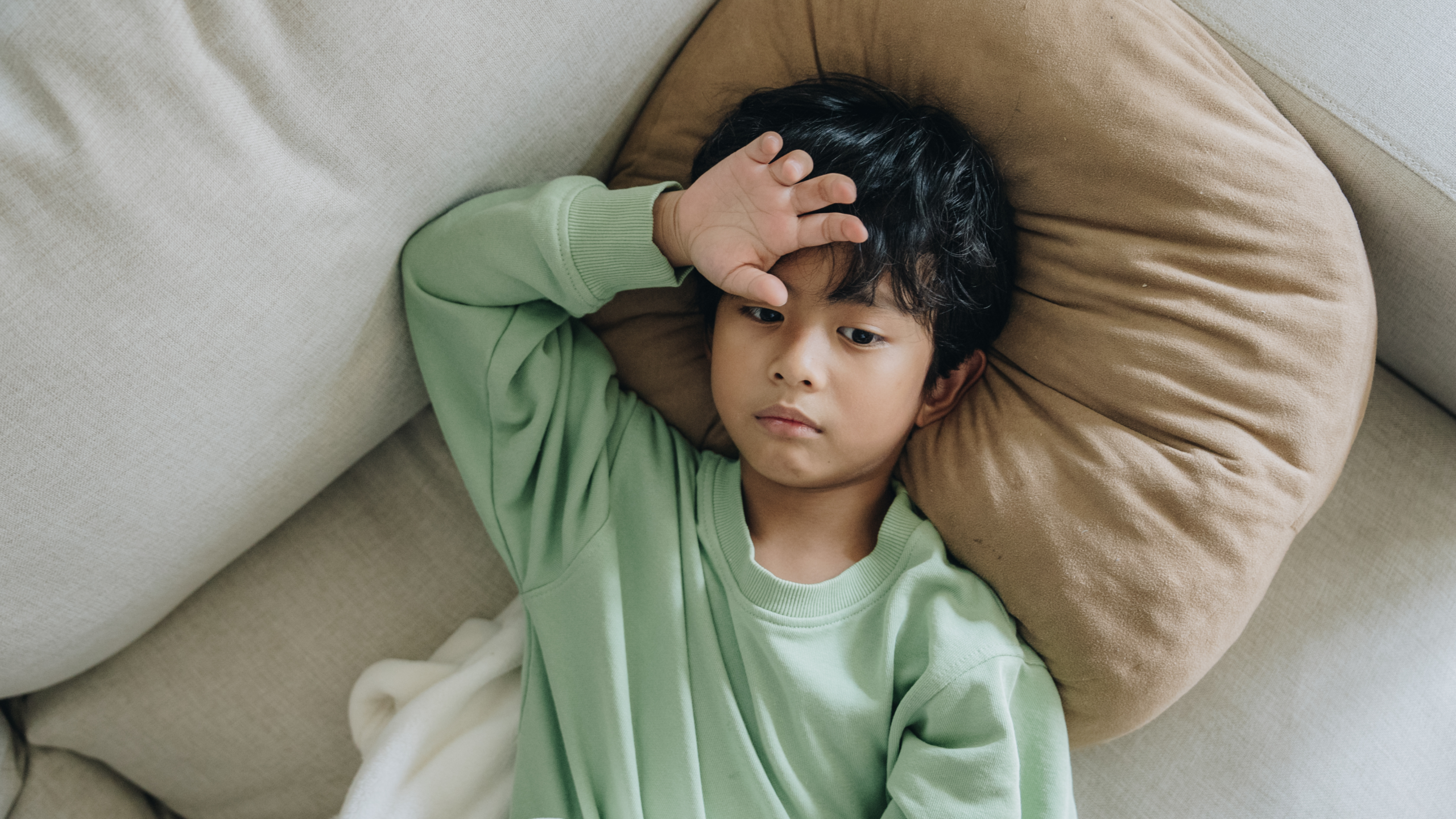

One of the most unwelcome sicknesses in a household, most parents and pediatricians would agree, is the STOMACH BUG. We call this “viral gastroenteritis,” a viral infection of the stomach and intestines that causes vomiting, diarrhea, fever, and abdominal discomfort.
In this article, we will discuss the following about these infections:
- Causes
- Contagiousness Info
- Symptoms
- Treatment and Home Care
- Warning signs that need medical attention
- Prevention and Reinfection
Hopefully, after reading this information, you will feel equipped and confident to care for your child when this unwelcome infection comes to your house.
What causes the stomach bug?
Viruses cause most stomach bugs. The most common culprits are:
- Norovirus
- Causes the majority of infections and is extremely contagious and spreads rather quickly and easily through schools, households, and daycares.
- Rotavirus
- Historically the most common in younger children, it is now much less common with rotavirus vaccines.
- Adenovirus
- Some strains
- Astrovirus
MUCH more rarely, causes can include:
- Bacterial (Salmonella or E. Coli)
- Parasites
- Food poisoning
How Contagious is it?
VERY…
Viruses spread in the following ways:
- Direct contact with others (hands, shared toys, even hugs)
- Contaminated surfaces
- Food handled by an infected person
- Tiny molecules released during vomiting
What is extra tricky is that kids can be contagious before they show symptoms, while sick, and for several days after they feel better through viral “shedding.” Viral shedding into stool can continue for several weeks after the infection resolves. These mechanisms help infections spread easily through entire households.
The incubation period (the time from when a child is exposed until symptoms appear) can range from as little as 12 hours to as long as 3 days.
What symptoms can you expect, and how long do they last?
Stomach bugs can cause symptoms including vomiting, watery diarrhea, stomach cramps, low-grade fever, decreased appetite, and fatigue.
You may see mostly vomiting OR mostly diarrhea, or both. It depends on the child and the case.
In most cases, vomiting improves within 1-2 days, and diarrhea improves within the following week.
Is there any treatment?
The most important key is HYDRATION.
There is no cure for these viruses. Antibiotics don’t help because these are viral infections.
We suggest you rehydrate in this fashion:
- Using oral rehydration solutions.
- Like Pedialyte or Gatorade
- With a slow process of small, frequent sips.
- 1 or 2 tsp every 5 minutes
- Popsicles
- Especially Pedialyte popsicles
Things to avoid:
- Do not give large amounts of juice or soda.
- Can worsen diarrhea or lead to more gas/pain with carbonation.
- Do not try to force food or large volumes.
- The bowel needs to rest and cannot handle large volumes right now. It can be tempting to think they need to eat their usual diet, but that can prolong symptoms. We usually recommend waiting 8 hours after your child last vomited before trying bland foods.
- Trying to give fluids too fast
- Wait at least 30-60 minutes after vomiting before giving even sips of fluids. If you give larger amounts of liquid, the stomach will sense it and eject it (triggering more vomiting).
- Sips are less noticeable to the stomach and “sneak” the fluids in without triggering more vomiting.
What foods are good or bad choices when reintroducing regular diet?
We recommend very BLAND and easy-to-digest foods such as crackers, bananas, toast, rice, applesauce, or broth. For those breastfeeding or on formula, resume these in smaller amounts more frequently. Children can return to a typical diet as symptoms improve.
Are there any medications that can help?
Fever reduces like Tylenol (Acetaminophen) can help with discomfort. In some cases, a provider may prescribe anti-nausea medications at an office visit. We warn against using any OTC anti-diarrheal meds, because we don’t want to stop the body from doing what it needs to do (expel the virus via diarrhea).
When should I be concerned?
Seek urgent medical attention if any of the following occur:
- No wet diaper or urination for 8 hours in infants and 10-12 hours in older children
- Dry lips or mouth
- No tears when crying
- Sunken eyes or soft spot
- Unusual sleepiness or lethargy
- Blood in vomit or stool.
- Severe abdominal pain
- Persistent high fever
- Vomiting lasting > 48 hours
- Baby is under 3 months with vomiting and fever.
- Extreme weakness or signs of confusion
Please call if anything is concerning you. Parkside providers are happy to check your child in the office or even via Televisit and provide reassurance and guidance.
Can my child get it again?
YES.
The sad truth is that immunity after stomach viruses such as Norovirus is very short-lived. There are also multiple strains, meaning children can be infected more than once even in the same sick season. The good news is that repeat infections are not as severe.
Can this be prevented?
The following steps can be taken to prevent stomach bugs:
- Handwashing
- Soap and water are more effective than instant hand sanitizer.
- Disinfect surfaces
- Use bleach-based cleaners if areas are contaminated.
- Don’t forget light switches, toilet handles, faucets, doorknobs, Chromebooks, and other electronics.
- Laundry
- Wash soiled clothes and sheets in HOT water.
- Be mindful of how contagious this is.
- Keep your child home from school and activities until:
- Vomiting has resolved for more than 24 hours.
- They are fever-free for more than 24 hours.
- Diarrhea is improving.
- Keep your child home from school and activities until:
Final Perspective
The bottom line: while no one wants a stomach bug, almost all children experience one at some point in childhood. They’re messy, inconvenient, and always come at the worst possible time. The good news? Most pass quickly. Remember, your main job is to push fluids, monitor for signs of dehydration, and seek urgent medical care for red flags like nonstop vomiting, severe abdominal pain, or unusual sleepiness.
There may be a few couch days for your child, a few extra loads of laundry, some extra naps and screen time, and a temporary decrease in appetite as your child recovers. With time, handwashing, disinfecting, and little laughter to keep from crying, most kids will bounce back quickly.
And when in doubt, Parkside is always just a call away.
