
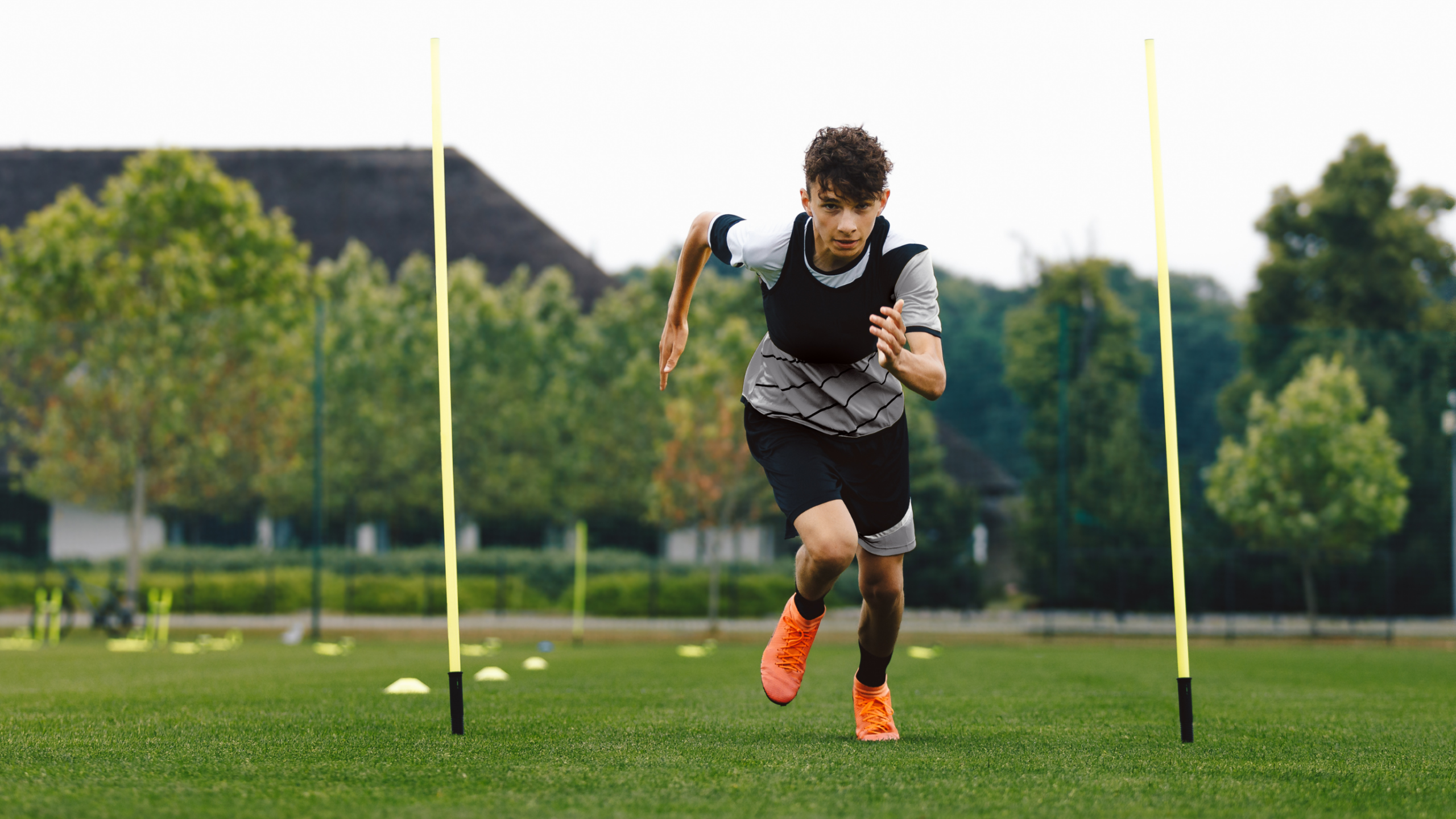

At Parkside Pediatrics, we know youth sports should feel like a day at the ballpark: exciting, challenging, and fun. But sometimes, the pressure to perform can turn game day into an emotional rainout for young athletes.
Sports anxiety is common, treatable, and we’re here to help every season!
Here’s how to spot it, understand it, and support your MVP on and off the field.
What Is Sports Anxiety?
Think of sports anxiety as the nervous energy kids feel before stepping up to the plate. However, sometimes those pre-game jitters can grow into significant anxiety, big enough to throw off their game. A little nervousness is normal and even helpful. Too much can interfere with performance and love of the game!
Signs Your Young Athlete May Be Struggling
Physical Symptoms: “Pregame Jitters”
- Stomachaches or headaches
- Trouble sleeping
- Rapid heartbeat or sweating
- Nausea or loss of appetite
Behavioral Clues
- Avoiding practice/making excuses
- Withdrawing from teammates
- Irritability or frustration
- Sudden drop in performance
Mental & Emotional Signs
- Fear of making mistakes
- Worry about disappointing others
- Negative self-talk (“I’m going to strike out”)
- Trouble focusing during game
Why Does Sports Anxiety Happen?
Performance Pressure:
- Fear of failure
Social Judgment:
- Fear of being judged
Parental Factors:
- Overprotection
- Criticism
Past Experiences:
- Injuries
- Tough games
- Negative coaches/teammates
The Good News: Sports Are a Home Run for Mental Health
Kids who play sports often develop:
- Better self-esteem
- Stronger emotional regulation
- Less depression & anxiety
- Improved social skills
- Stronger sense of belonging
The key is finding the right balance between healthy competition and excessive pressure.
How Parents & Coaches Can Support Their MVP
Create a Positive Dugout Environment
- Focus on effort, not the final score
- Avoid immediate post-game criticism
- Ask: “What did you enjoy about the game today?”
- Celebrate small wins and progress
Teach Mental Health Skills for Game Day
- Deep breathing before at-bats
- Positive self-talk: “I’ve got this.”
- Visualizing successful plays
- Relaxation exercises to release tension
Keep Perspective
- Mistakes happen — even to pros
- Avoid comparing players
- Keep sports in balance with school, free time, and rest
Build Confidence
- Highlight strengths
- Recognize improvements
- Give chances to practice skills at a comfortable pace
Know When to Call a Time Out
- If anxiety begins affecting:
- Daily mood
- Schoolwork
- Friendships
- Love of the sport
When to Seek Help at Parkside Pediatrics
If your child’s anxiety is significantly affecting their performance, enjoyment of sports, or overall well-being, it may be time to reach out for help. Effective treatments are available and we’re happy to help coordinate additional support.
Available therapies include cognitive behavioral therapy (CBT), mindfulness training, and sport psychology evaluations. CBT is the gold-standard treatment focusing on how thoughts affect feelings, challenging worries, calming strategy development, and gradual exposure therapy. Medication may also be considered when anxiety is severe or is not responding to therapy alone.
The Bottom Line
Sports anxiety is common, manageable, and nothing to be ashamed of. With support, kids can learn to manage pressure, build resilience, and fall in love with the game all over again. The goal isn’t perfect performance — it’s raising confident, healthy, resilient young athletes who can handle life’s curveballs.
Let them have fun. Let them grow. Let them play ball.
